
AI in Surface Inspection: How Are Defects Detected?
Surface defects are among the most common yet hardest quality problems to detect in manufacturing. On materials such as bright metal, painted surfaces or transparent glass, scratches, cracks, dents and depressions often become visible only with the right angle, the right lighting and the right algorithm. In this article we cover how AI-powered surface inspection works and why it is more powerful than traditional methods.
Why Is Detecting Surface Defects Difficult?
The difficulty of surface inspection comes from defects often being low-contrast and material-dependent. On bright metal, reflections hide the real defect; on painted surfaces, color and texture differences mask it; on glass, transparency and reflection make inspection even harder. Moreover, the definition of a "defect" is not fixed: the boundary between an acceptable mark and a scratch that must be rejected varies from product to product.
The Role of Machine Vision and Lighting
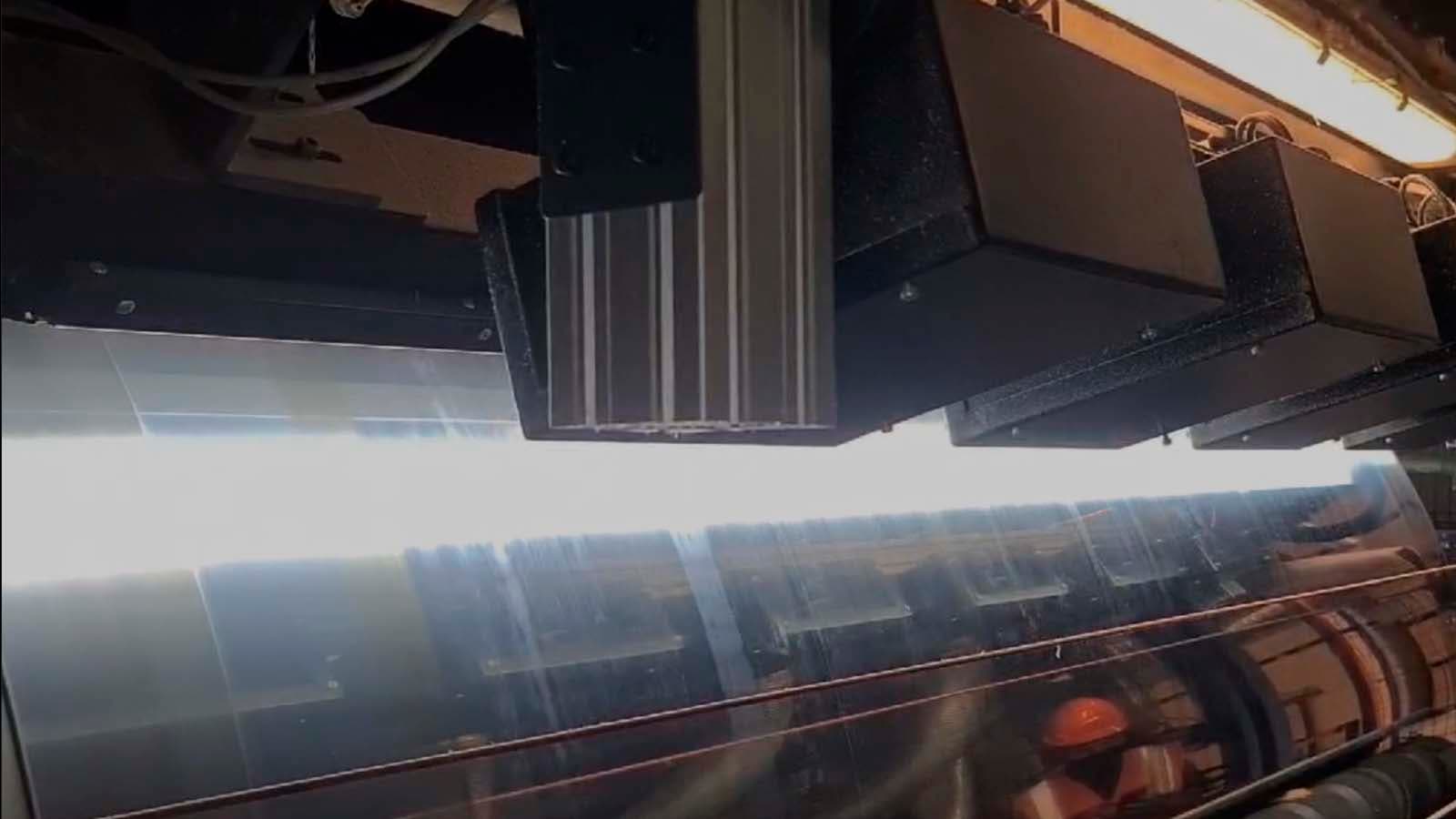
The foundation of a correct result is the optical setup that makes the defect visible before the software even engages. Dedicated lighting techniques and high-resolution cameras such as LineScan increase defect contrast even on bright, moving surfaces. This provides the quality image the AI needs to decide correctly; a good decision cannot come from a bad image.
The Difference of AI and Deep Learning
Traditional rule-based systems work with fixed rules like "a dark spot larger than this size is a defect" and struggle on variable surfaces. AI-powered systems learn from thousands of examples and evaluate the defect in its context; they distinguish acceptable variation from a real defect. This reduces false alarms, especially on bright metal and surfaces with natural texture variation. AI & Deep Learning
Typical Applications
AI-powered surface inspection is used for scratch/crack/dent detection on metal and painted surfaces, defect inspection on glass and plastic, and general surface quality control. Our Surface Inspection solution solves each application with optics and AI models designed for the material and defect type.
Conclusion
Success in surface inspection comes from the right combination of three things: the right optics/lighting, a high-resolution camera and a well-trained AI. When these three come together, even defects the human eye misses or judges inconsistently are captured reliably. Visiomex designs surface inspection applications with this complete approach.
Let's examine your surface inspection challenge together and define the right solution.
Contact Us