
What Is Machine Vision and How Is It Used in Manufacturing?
Machine vision is the technology that combines cameras, lighting and image processing software to let machines "see" and make decisions about what they see. On production lines it steps in where the human eye tires, slows down or cannot stay consistent enough; it inspects every product to the same standard, in seconds and without fatigue. In this article we cover what machine vision is, how it works and which problems it solves in modern manufacturing.
How Does Machine Vision Work?
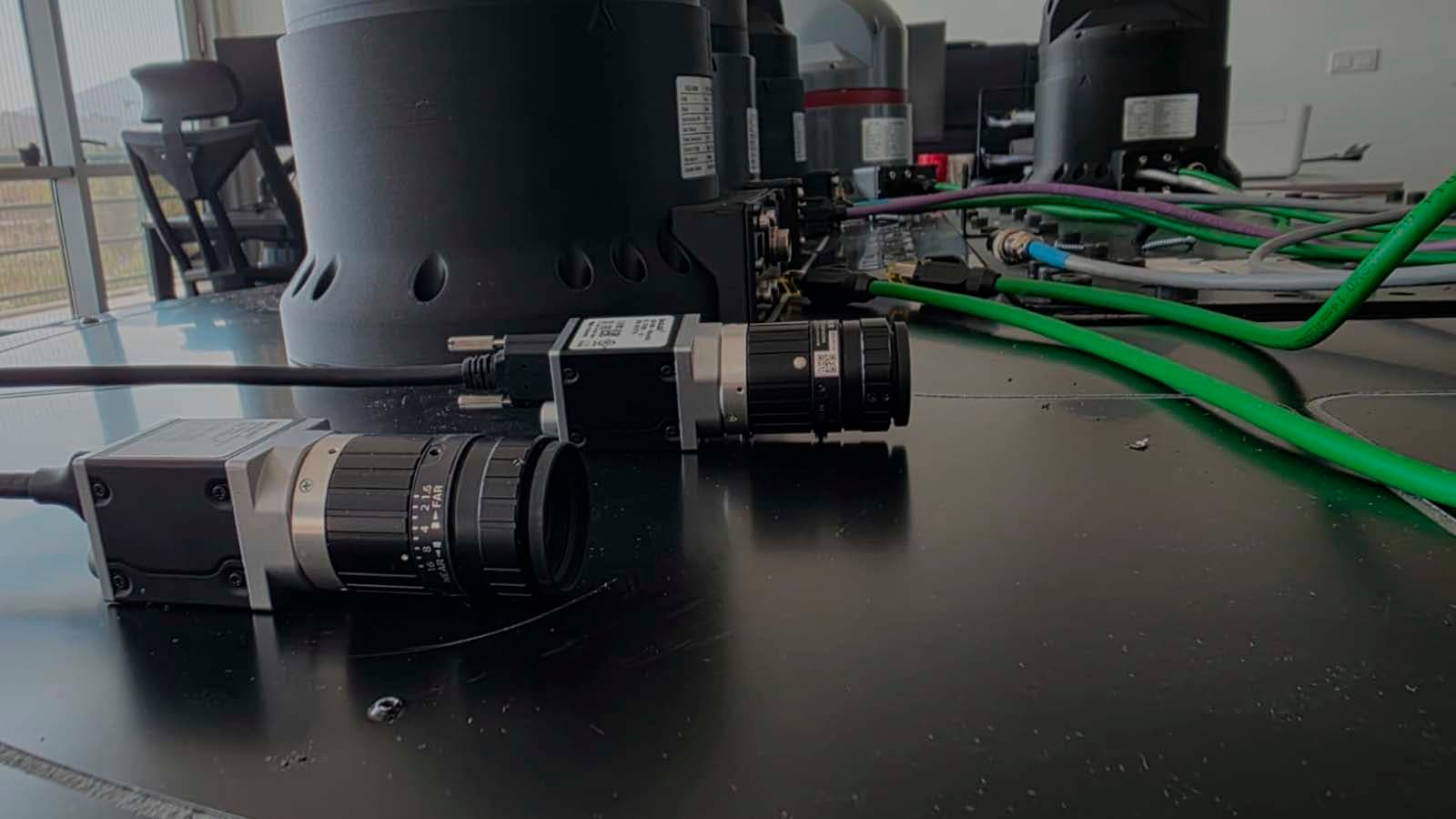
A machine vision system consists of four core layers: the camera that captures the image, the lighting and optics that make the defect visible, the image processing / AI that interprets the image, and the decision and automation layer that passes the result to the production line. In a well-designed system these four layers work together: the camera images the part, dedicated lighting increases defect contrast, the software detects and classifies the defect, and the line acts instantly (rejecting the part, recording it, alerting the operator).
The Difference Between the Human Eye and Machine Vision
The human eye is flexible and intelligent but it tires, loses focus and can make different decisions from shift to shift. Machine vision makes the same decision to the same standard every time; it runs at high speed, captures micron-level detail and records every inspection. The goal is not to remove humans entirely, but to automate repetitive, high-precision inspection and free people for higher-value work.
Typical Applications in Manufacturing
Machine vision is used across many inspection types regardless of industry: surface defect detection, assembly and part verification, dimensional control, color and label inspection, barcode/code reading and presence-absence control. For example, inspecting scratches and deformation on surfaces Surface Inspection, catching missing or wrong parts Defective & Missing Product Detection and sorting products by type Counting & Classification are just a few of them.
Which Industries Use It?
From automotive to white goods, from electronics to food and packaging, machine vision has become a quality control standard in almost every manufacturing sector. Each industry has its own defect types and line conditions; that is why the system is designed for the material, defect type and line speed. You can see examples in our industry solutions such as Automotive and Electronics.
Conclusion
Machine vision takes quality in manufacturing from being human-dependent to standardized, fast and traceable. A well-designed system reduces escaped defects, provides 100% inspection without slowing production, and records every check. Visiomex brings this value to the field by designing each application for the industry and defect type.
Let's evaluate together what machine vision can deliver for your production line.
Contact Us