
Quality Control Automation: From the Human Eye to AI
For many years, quality control relied on the eyes and attention of experienced operators. But rising production speeds, diversifying products and the expectation of zero defects are pushing the limits of manual inspection. Quality control automation makes this inspection standardized, fast and traceable with machine vision and robotic systems. In this article we cover why moving to automation is necessary, which benefits it brings and the right first steps.
The Limits of Manual Inspection
The human eye is valuable but limited: it tires, loses focus and can make different decisions on the same product at different times. On high-speed lines, inspecting every product one by one and consistently may be physically impossible. This leads to escaped defects, quality differences between shifts and faulty products reaching the customer.
The Benefits of Automation
Quality control automation delivers four core gains: standardization (every product inspected by the same criteria), speed (100% inspection without slowing production), traceability (every check recorded and reported) and early warning (defects caught at the source and the process corrected instantly). This not only reduces errors; it also makes production data meaningful.
Combining Robotics and Machine Vision
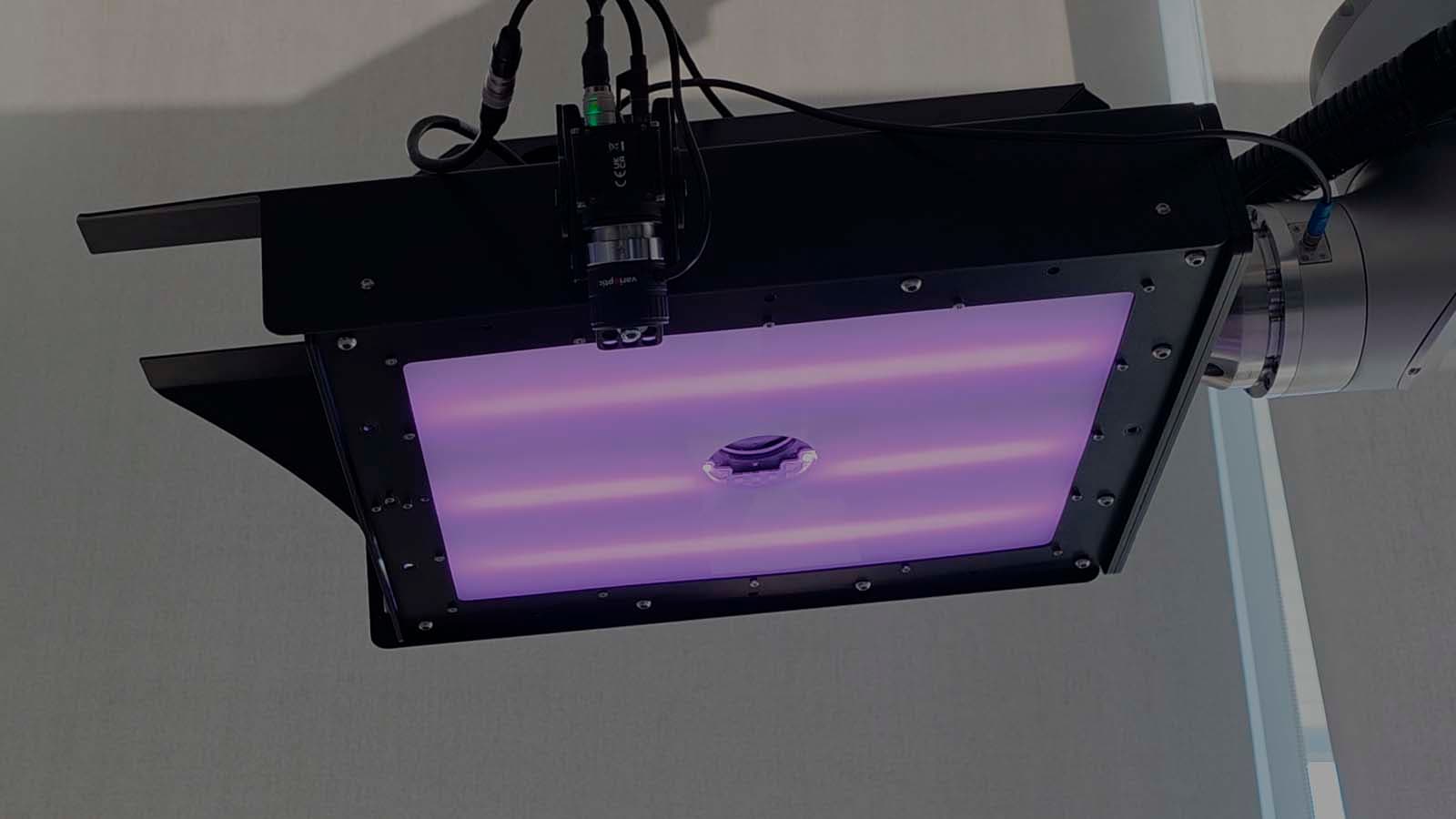
While a fixed camera is enough in some applications, parts with complex geometry require the camera and robot to work together. Robotic vision systems move the camera to the right angle and position to inspect every surface of the part. Robotic Vision System and Robomex are examples of this approach; they analyze complex surfaces with structured light and moving imaging.
The Right Start Toward Automation
The most common mistake in moving to automation is wanting to "automate everything at once." The right approach is to start with a single inspection point that delivers the most value: the station where defects occur most often or where the most manual labor is spent. The result obtained here both validates the investment and paves the way for the next steps.
Conclusion
Quality control automation is not about removing humans; it is about handing repetitive, error-prone inspection to the machine and directing people toward decisions and improvement. A well-designed system makes quality standardized, fast and measurable. Visiomex plans this transition step by step according to the needs of the operation.
Let's define the right starting point together to bring your quality control processes into automation.
Contact Us